
Trauma and PTSD Counseling for Service Members, Veterans and Military Families
Trauma can follow people home long after the event or season that caused it. CCW International provides virtual trauma and PTSD counseling for service members, veterans, military spouses, and other eligible adults navigating combat-related trauma, military sexual trauma, deployment stress, grief, hypervigilance, avoidance, sleep disruption, emotional numbness, irritability, and the impact trauma can have on relationships and daily life.
Request an Appointment Ask a Question FirstTrauma Does Not End When the Mission Does
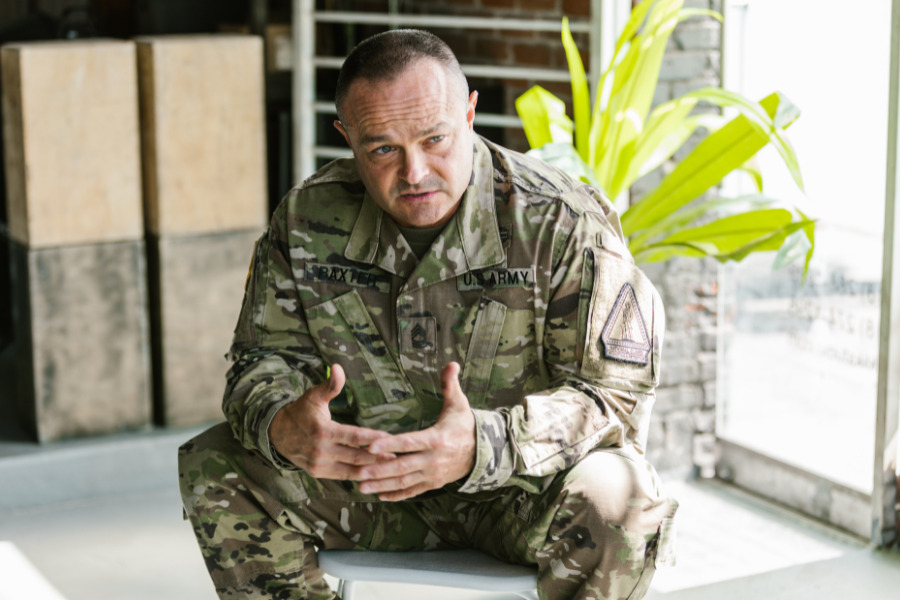
Some traumatic experiences are connected to a specific event. Others build over time through repeated exposure, loss, uncertainty, high responsibility, or prolonged stress. Military culture can also reward the ability to compartmentalize, stay focused, and keep moving even when something difficult has happened.
Those skills may help during service, but they do not always switch off when the environment changes. Trauma counseling can help you understand what your mind and body are still responding to and develop healthier ways to feel safer, more present, and more connected in everyday life.
CCW was founded by a U.S. Army veteran psychologist and provides trauma-informed care grounded in military experience. We also support appropriate non-military clients whose trauma comes from abuse, medical experiences, accidents, major loss, childhood experiences, or other life events.
Explore Military and Family SupportPTSD and Trauma Can Show Up in More Ways Than People Expect
Not everyone experiences trauma in the same way, and having one of these experiences does not automatically mean you have PTSD. A clinician can help determine what is happening and whether treatment may be appropriate.
Feeling Constantly on Guard
Hypervigilance, scanning the environment, feeling unable to fully relax, or having a strong startle response.
Sleep and Concentration Changes
Difficulty falling asleep, disrupted sleep, distressing dreams, poor concentration, or feeling mentally exhausted.
Avoidance
Staying away from people, places, conversations, memories, or situations that bring up distressing reactions.
Irritability and Emotional Reactivity
Feeling more easily frustrated, angry, impatient, tense, or overwhelmed than you used to.
Emotional Numbness
Feeling disconnected from emotions, relationships, activities, or parts of life that once felt meaningful.
Unwanted Memories or Reminders
Distressing memories, thoughts, dreams, or reminders that feel difficult to control or move past.
Trauma Counseling for Military and Civilian Experiences
Trauma is not defined only by combat or military service. Treatment begins with your experience, your symptoms, your goals, and what is affecting your life now.
Combat and Deployment Trauma
Support for trauma-related reactions connected to combat, deployment, high-risk duty, repeated exposure to danger, or experiences that continue to affect life after the mission.
Military Sexual Trauma
Confidential, trauma-informed counseling for veterans and service members affected by sexual harassment or assault during military service, with care paced around safety, trust, and the client’s treatment goals.
Childhood and Relationship Trauma
Therapy for the lasting effects of harmful childhood experiences, abusive relationships, betrayal, neglect, or other interpersonal trauma.
Medical and Accident Trauma
Support after serious illness, injury, medical procedures, accidents, or frightening experiences that continue to affect mood, sleep, behavior, or sense of safety.
Grief and Traumatic Loss
Counseling when grief is complicated by sudden loss, military experiences, repeated losses, or circumstances that make it difficult to process what happened.
Reintegration and Transition
Support when returning home, leaving service, retiring, or adjusting to a different pace of life brings trauma-related reactions, identity changes, or strain in relationships.
Our Approach to Trauma and PTSD Counseling
Trauma therapy is not one-size-fits-all. Your clinician begins by understanding your symptoms, history, current stressors, treatment goals, strengths, and what feels manageable. Treatment is then tailored to your needs and to the clinician’s training.
Depending on clinical fit, your care may include approaches such as:
- Eye Movement Desensitization and Reprocessing, or EMDR
- Cognitive Processing Therapy, or CPT
- Cognitive Behavioral Therapy, or CBT
- Dialectical Behavior Therapy skills, or DBT-informed strategies
- Mindfulness and grounding strategies
- Psychoeducation about trauma responses and the nervous system
- Relationship, communication, and coping-skill work
Not every clinician uses every method. CCW matches clients based on specialty, licensure, availability, treatment needs, and fit.

PTSD Can Affect the Whole Household
Trauma symptoms do not stay neatly contained inside one person. Sleep problems, withdrawal, irritability, avoidance, mistrust, emotional distance, and feeling constantly on guard can affect partners, children, and family routines.
Individual Counseling
One-on-one treatment focused on your symptoms, experiences, coping strategies, relationships, and treatment goals.
Couples Counseling
Relationship-focused support when trauma is affecting communication, trust, emotional connection, intimacy, parenting, or reintegration.
Military Family Support
Support for spouses and families navigating the impact of deployment, reintegration, trauma symptoms, caregiving, transition, and changes in family roles.
Start With Reflection Through W.E.S.E.R.V.E.D.™
Some people want a private place to begin thinking about what they are experiencing before they schedule therapy. W.E.S.E.R.V.E.D.™ is a CCW guided resource for the military and veteran community focused on wellness, education, self-awareness, emotional regulation, reflection, voice, empowerment, and direction.
Trauma Counseling Online Without Adding Another Commute

Virtual therapy can make trauma treatment easier to fit around work, parenting, caregiving, transportation, duty schedules, and other responsibilities. Some clients also appreciate being able to attend from a familiar, private environment.
CCW provides virtual counseling across ten U.S. jurisdictions, including Hawaii and Washington, DC, with our Germany expansion launching Fall 2026. Availability depends on your physical location at the time of the session, clinician authorization, treatment needs, insurance requirements, safety considerations, and whether telehealth is clinically appropriate.
CCW works with major insurance plans used by military-connected clients, including TRICARE, CareFirst BlueCross BlueShield, Johns Hopkins USFHP, Cigna, and VA Community Care for authorized veterans. Benefits, referrals, authorization requirements, clinician participation, and cost sharing vary by plan and location.
Review Billing and Insurance See Where We ServeWhere Trauma Is Affecting Life Most
You can begin with the area of life that is being affected most. You do not need to diagnose yourself before reaching out.
Trauma Is Affecting Me
One-on-one support for trauma reactions, PTSD symptoms, grief, anxiety, sleep disruption, and daily functioning.
Trauma Is Affecting My Relationship
Support for communication, trust, emotional distance, parenting, and reintegration when trauma affects a couple.
Military Life Is Part of the Context
Explore military-focused care for service members, veterans, spouses, children, teens, and families.
Not Sure Where to Start?
Use a brief screening tool to reflect on symptoms and consider whether additional support may be helpful.
Not Sure Where to Start?
Use a brief screening tool to reflect on symptoms and consider whether additional support may be helpful.
Take a Free Mental Health ScreeningQuestions People Often Ask About Trauma Therapy
What is PTSD?
Do I need a PTSD diagnosis before I start trauma therapy?
Does CCW treat combat-related trauma?
Does CCW provide counseling for military sexual trauma?
Can PTSD therapy be done online?
How do I know which trauma treatment is right for me?
Can trauma therapy help if my relationships are being affected?
Does insurance cover PTSD and trauma counseling?
Your Life Can Become Bigger Than What Happened
Trauma treatment is not about erasing your history. It is about reducing the hold that trauma-related symptoms have on your present life, relationships, choices, and sense of safety.
Request an Appointment