
Counseling for Service Members
You Can Be Mission-Ready and Still Need Support
Military service can demand focus, discipline, adaptability, leadership, and the ability to keep moving even when life outside the mission is difficult. CCW International provides military-informed virtual counseling for service members who want support with stress, relationships, anxiety, depression, trauma-related reactions, major transitions, and the emotional weight that can come with serving.
Support While You Serve
You Do Not Have to Wait Until Things Fall Apart
Service members are often trained to function under pressure, solve problems quickly, stay focused, and take care of the mission. Those strengths can be valuable, but they can also make it easy to keep pushing through stress long after something needs attention.
Counseling is not only for crisis. It can be a place to work through what has been building, understand how stress is affecting you, strengthen relationships, improve emotional regulation, prepare for transitions, or simply have a confidential space to think clearly.
You do not need the perfect words for what is happening. You only need a place to begin.
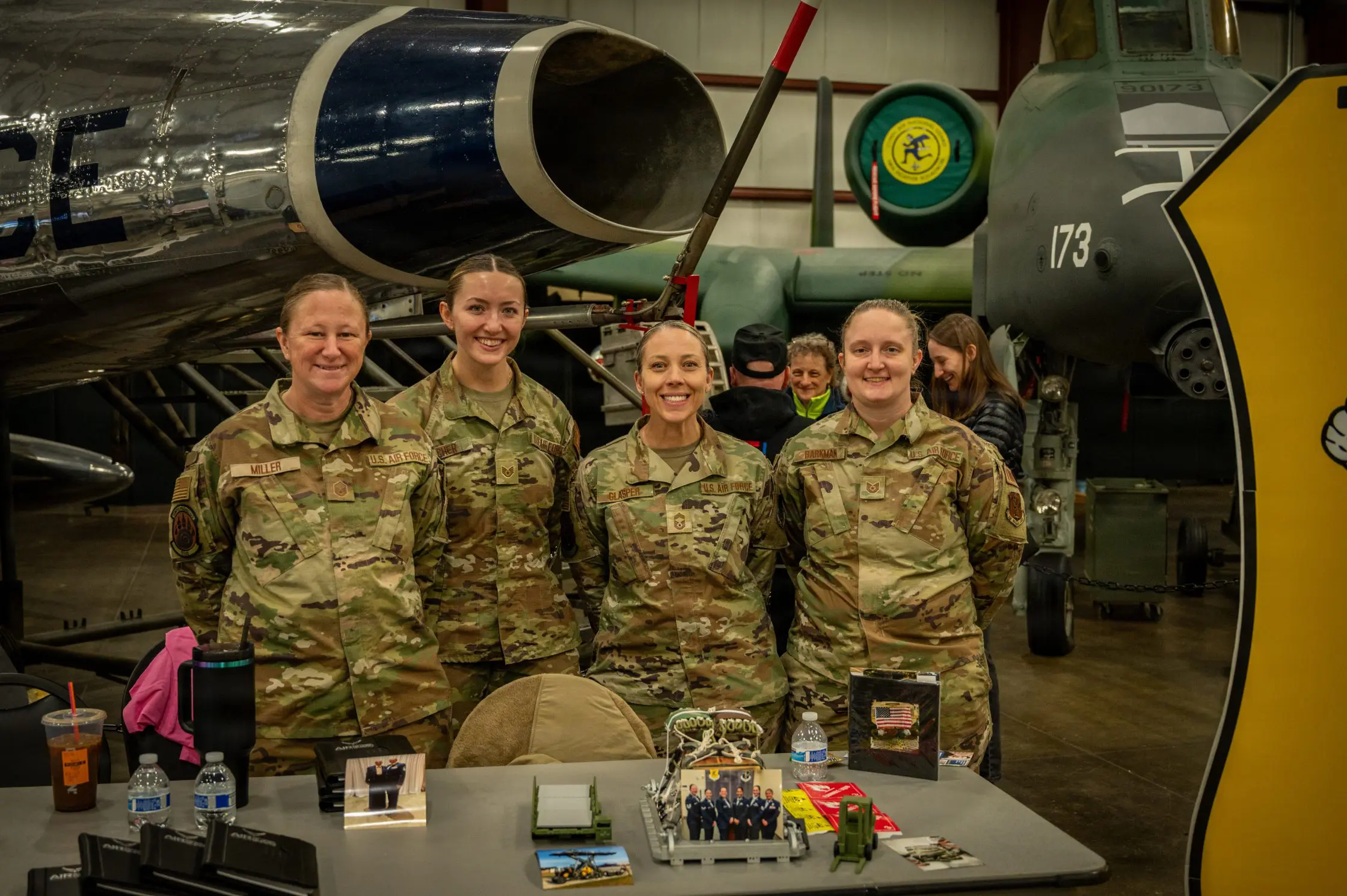
Reasons Service Members Reach Out
What You Are Carrying May Show Up in Different Ways
Military-related stress does not always look dramatic. Sometimes it shows up as irritability, exhaustion, relationship conflict, difficulty sleeping, emotional distance, or feeling like you are constantly “on.”
Stress & Overload
Operational demands, work tempo, leadership pressure, family responsibilities, and constant problem-solving can leave little room to recover.
Anxiety
Persistent worry, racing thoughts, tension, difficulty relaxing, or feeling constantly alert.
Depression
Low mood, emotional numbness, loss of motivation, fatigue, withdrawal, or difficulty feeling connected.
Trauma-Related Stress
Difficult military or life experiences can affect sleep, concentration, relationships, mood, trust, and everyday functioning.
Relationship Strain
Distance, deployments, work demands, communication difficulties, trust concerns, or recurring conflict at home.
Military Transitions
PCS moves, promotion, changes in responsibility, retirement, separation, or adjusting to a new stage of military life.
When Functioning Hides the Struggle
Being Able to Keep Going Does Not Mean Everything Is Fine
Many service members continue performing well while carrying significant stress privately.
You may still show up for formation, meet deadlines, lead others, complete the mission, and take care of your family while feeling exhausted, disconnected, angry, worried, or overwhelmed underneath it all.
Counseling gives you a place to look at what is happening before stress begins making decisions for you.
How Counseling May Help
The Goal Is Not to Change Who You Are
Counseling can help you better understand your reactions, strengthen skills that already serve you, and develop additional ways to manage stress, relationships, and transitions.
Understand What Is Happening
Identify patterns, triggers, stress reactions, and the experiences contributing to how you feel.
Regulate Stress
Develop practical ways to manage emotional and physiological stress before it becomes overwhelming.
Strengthen Relationships
Improve communication, boundaries, connection, and conflict management.
Prepare for What Comes Next
Work through changes in role, identity, responsibility, transition, or life after service.
Accessing Care
Using TRICARE for Counseling
CCW works with military-connected clients who use TRICARE and other accepted insurance plans. Coverage, referrals, authorizations, network participation, copayments, and eligibility can vary by plan and location.
Our team can help you understand the next steps for scheduling with an appropriately authorized clinician.
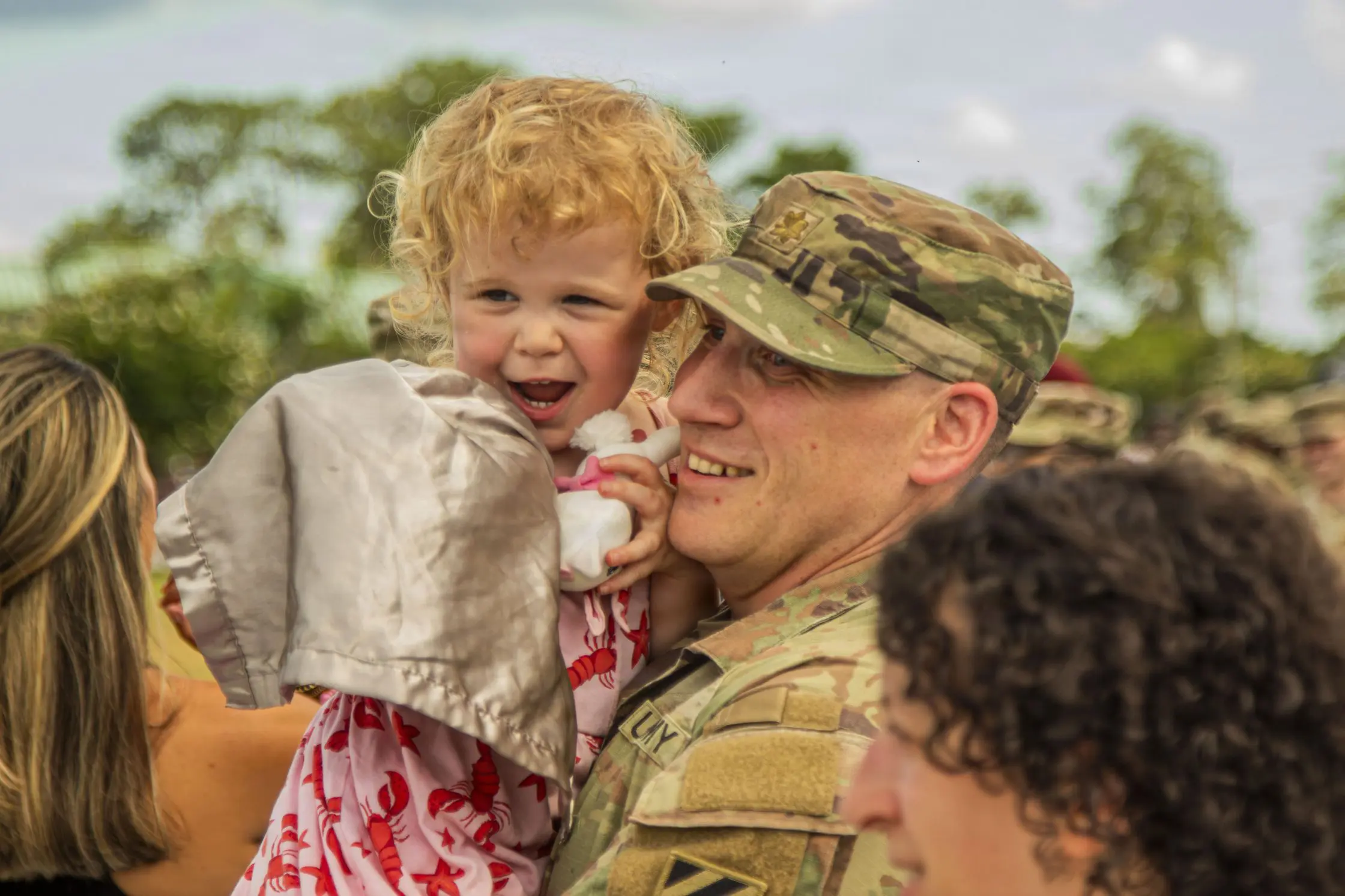
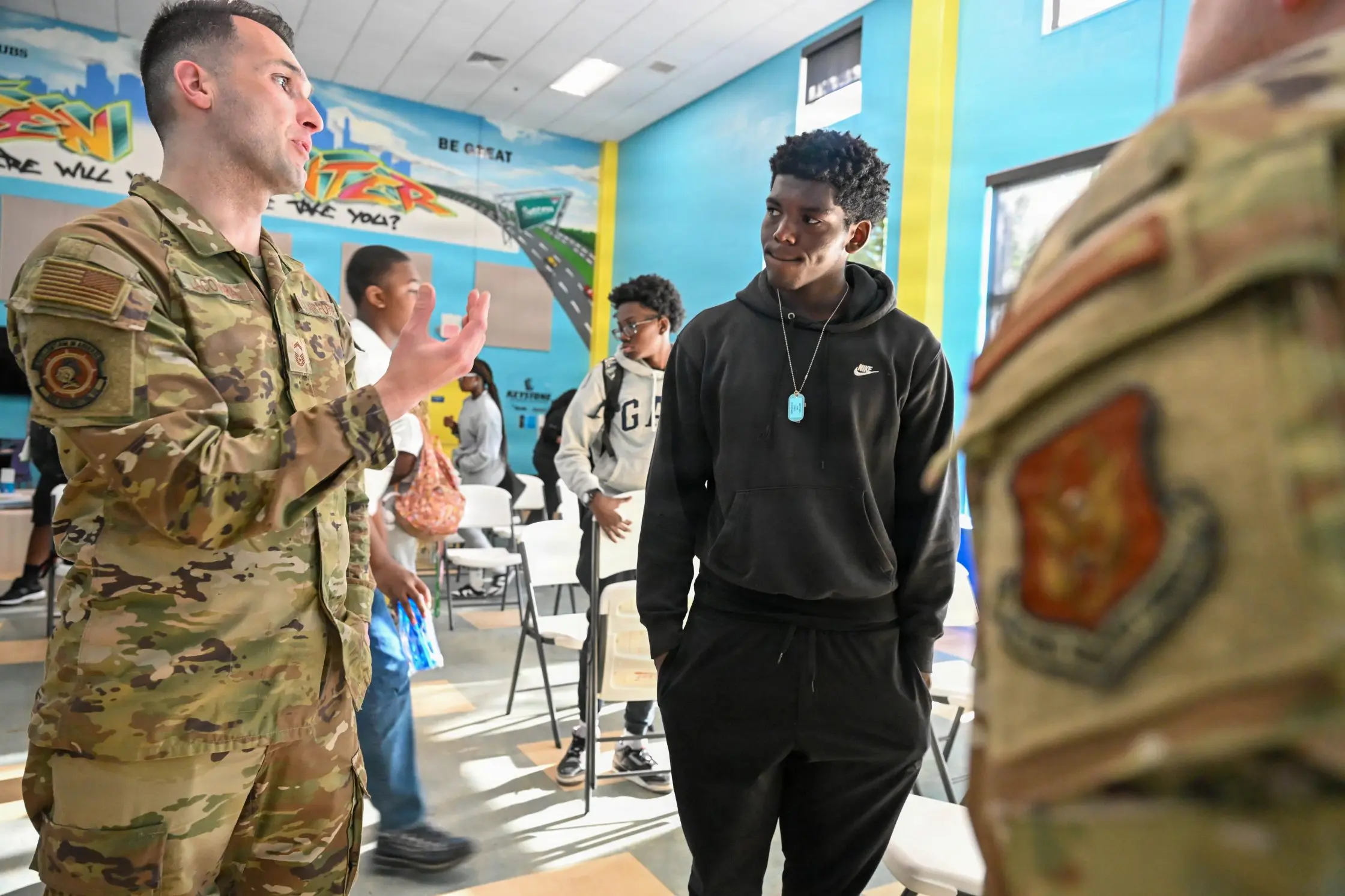
From Junior Enlisted to Senior Leaders
Rank Does Not Make You Immune to Stress
Mental health concerns can affect people at every level of responsibility.
Junior service members may be navigating a new military culture, separation from family, identity changes, relationships, and the demands of early service.
Leaders may carry responsibility for others, decision-making pressure, organizational expectations, family demands, and the belief that they must always appear steady.
The circumstances may differ. The need for somewhere to think, process, and receive support does not.
Questions About Privacy
It Is Reasonable to Ask How Counseling Could Affect Your Military Career
Concerns about privacy, documentation, command involvement, security clearances, and military requirements can make some service members hesitate before reaching out for help.
These questions deserve clear answers. Privacy and disclosure requirements can depend on the type of care, payer, referral source, applicable law, military policy, and the circumstances of treatment.
Before beginning care, ask questions about confidentiality, documentation, insurance, and how information is handled. Our team can explain the policies that apply to services provided through CCW.

Frequently Asked Questions
Counseling for Service Members
Do I need to have a diagnosis before starting counseling?
No. Many people begin counseling because something feels difficult, stressful, or different, even if they are not sure how to describe it yet.
Do I have to be in crisis to see a therapist?
No. Counseling can also be used to address stress, relationships, transitions, emotional patterns, decision-making, and concerns before they become more disruptive.
Does CCW work with active-duty service members?
CCW serves eligible military-connected clients, including service members. Availability depends on location, clinician authorization, clinical fit, scheduling, and insurance or payment requirements.
Can I use TRICARE for counseling?
Coverage varies by plan, provider, referral requirements, network status, and client location. CCW can help you identify what information should be verified before scheduling.
What if I PCS while I am in counseling?
Tell your clinician or CCW as early as possible. Because telehealth practice authority depends on where you are physically located, your clinician may need to review whether care can continue after your move.
You Spend a Lot of Time Taking Care of the Mission
Your mental health deserves attention too. You do not need to wait until something becomes unmanageable to talk with someone. Tell us what has been going on, and we will help you explore the next step.
