Counseling Resources for Military Members, Veterans, and Families
Military life can create experiences and pressures that are difficult to understand from the outside. Deployments, frequent moves, extended separations, high-stress assignments, exposure to trauma, and the transition from military to civilian life can affect not only service members, but also spouses, children, caregivers, and veterans.
These challenges don’t always end when a deployment is over or when someone leaves the service. For some military-connected individuals, the effects emerge months or even years later as anxiety, depression, relationship difficulties, emotional exhaustion, or symptoms of post-traumatic stress.
Finding the right counseling resources can provide military members and their families with a place to process these experiences, strengthen coping skills, and work toward lasting emotional wellness. Understanding the unique realities of military culture is an important part of providing that support.
Common Mental Health Challenges in Military Communities
Military communities aren’t a single population with a single set of experiences. An active duty military member preparing for deployment may face very different concerns than a veteran transitioning to civilian life or a spouse managing the household during an extended separation.
Still, several mental health challenges commonly affect military-connected individuals.
These may include:
Post-traumatic stress disorder (PTSD)
Anxiety
Depression
Chronic stress
Sleep difficulties
Emotional burnout
Grief and loss
Relationship strain
Substance misuse
Difficulty adjusting to major transitions
Military culture can also influence how individuals respond to these challenges. Qualities such as self-reliance, discipline, perseverance, and a commitment to the mission can be tremendous strengths. At the same time, they may make it harder for some individuals to acknowledge emotional distress or seek support.
Effective military mental health care recognizes both the strengths of military culture and the unique pressures that can accompany service.

PTSD, Anxiety, and Depression in Military Populations
Not every service member or veteran develops PTSD, and experiencing emotional difficulty after military service does not automatically mean someone has a mental health disorder.
However, military experiences can expose individuals to circumstances that increase the risk of emotional distress.
Combat exposure, traumatic loss, military sexual trauma, serious injury, repeated high-stress assignments, and witnessing traumatic events may contribute to PTSD symptoms. These can include intrusive memories, nightmares, avoidance, hypervigilance, irritability, emotional numbness, or difficulty feeling safe.
Anxiety and depression can also appear alongside or independently of PTSD. Someone may experience persistent worry, loss of interest in activities, difficulty concentrating, changes in sleep, isolation, or feelings of hopelessness.
Appropriate mental health interventions are based on the individual’s symptoms, experiences, goals, and circumstances rather than assuming every military-connected person needs the same type of treatment.
How Deployment and Military Transitions Affect Mental Health
Deployment involves more than the period a service member spends away from home. The entire cycle of preparation, separation, deployment, homecoming, and reintegration can create emotional demands for everyone involved.
Before deployment, families may experience anticipatory stress and uncertainty. During deployment, service members operate within demanding environments while spouses or partners may take on additional responsibilities at home.
Returning home can bring its own adjustment period.
The service member may have changed. Family routines may have changed. Children have grown. Roles that worked during separation may need to be renegotiated.
Transitioning out of the military presents another significant shift. Veterans may suddenly find themselves navigating changes in:
Daily structure
Career and employment
Social connections
Family roles
Financial responsibilities
Personal identity
Sense of purpose
For some veterans, the challenge isn’t simply adjusting to civilian employment. It’s figuring out who they are outside of the role and community that shaped a significant part of their lives.
Supporting veteran mental health therefore requires attention to more than symptoms. It means understanding identity, relationships, purpose, belonging, and the broader transition into a new stage of life.
Military Families Can Experience Stress and Secondary Trauma, Too
Military service affects entire families.
Spouses may manage frequent relocations, career disruptions, solo parenting, financial concerns, and long periods of uncertainty. Children may repeatedly change schools, leave friends behind, and adjust to a parent’s absence and return.
Caregivers can face another layer of pressure when supporting a service member or veteran living with physical injuries, PTSD, or other mental health challenges.
Over time, continually supporting someone who has experienced trauma may contribute to caregiver stress, compassion fatigue, or secondary traumatic stress.
Warning signs can include:
Feeling emotionally drained most days
Chronic fatigue
Difficulty sleeping
Irritability or frustration
Loss of motivation
Difficulty concentrating
Increased anxiety
Emotional numbness
Withdrawing from family or friends
Feeling overwhelmed by everyday responsibilities
Military spouses and caregivers deserve support for their own well-being; not simply because it helps them continue caring for someone else.
Professional counseling can provide a confidential space to address those experiences and develop healthier boundaries, coping strategies, and support systems.
How Counseling Resources Can Support Military-Connected Individuals
The right counseling resources can help individuals understand what they’re experiencing while developing strategies for moving forward.
Depending on a person’s needs, therapy may focus on processing trauma, managing anxiety or depression, improving relationships, navigating transitions, addressing burnout, or strengthening emotional resilience.
Support may involve evidence-based and trauma-informed approaches as well as practical strategies for managing daily stress.
For military-connected clients, it can also be valuable to work with a provider who understands the realities of military life. Military-informed care considers factors such as deployment cycles, rank and command structures, military culture, relocation, reintegration, family separation, and the transition to civilian life.
That understanding can reduce the amount of time clients spend explaining the context of their experiences and allow therapy to focus more directly on their needs and goals.

Finding the Right Mental Health Support
There is no single counseling option that’s right for every service member, veteran, or military family.
When evaluating support, consider whether the provider:
Has experience working with military-connected populations
Understands trauma-informed care
Offers treatment appropriate for your concerns
Creates an environment where you feel respected and understood
Provides accessible options that work with your location and schedule
Can support your longer-term wellness goals, not only immediate symptoms
Military-connected individuals may also want to consider practical factors such as insurance coverage and provider availability.
For example, someone searching for a TRICARE therapist should verify the provider’s current network or authorized-provider status, the specific TRICARE plan involved, referral or authorization requirements when applicable, and any expected out-of-pocket costs before beginning care.
Veterans may have access to mental health services through the Department of Veterans Affairs as well as community-based providers and other programs. The best option depends on the individual’s eligibility, preferences, location, needs, and desired type of care.
The important thing is finding support that feels appropriate for you.
Mental Wellness Is Part of Long-Term Readiness and Resilience
Seeking mental health support doesn’t erase the resilience developed through military life. It can strengthen it.
Effective care isn’t only about responding when symptoms become overwhelming. Counseling can also help military members, veterans, and families understand patterns, improve communication, navigate change, and develop tools that support long-term wellness.
This whole-person perspective is especially important for military communities because mental health doesn’t exist separately from relationships, physical wellness, career demands, family responsibilities, or life transitions.
Addressing those connections can help individuals move beyond simply managing symptoms and toward meaningful, sustainable change.
ON THIS PAGE
RELATED BLOGS
- Overcoming Challenges by Building Emotional Resilience
 Learn how emotional burnout affects military mental health, recognize the stages of burnout, and know when it’s time to seek professional support.
- Therapy for Veterans: What to Look for in a Mental Health Provider
 Learn how emotional burnout affects military mental health, recognize the stages of burnout, and know when it’s time to seek professional support.
Share this Blog



Frequently Asked Questions
What counseling resources are available for military members and veterans?
Counseling resources may include military treatment facilities, Department of Veterans Affairs services, community-based mental health providers, telehealth services, and therapists who specialize in military and veteran populations. Availability and eligibility vary, so individuals should explore the options that fit their circumstances and needs.
How can counseling help with military mental health?
Counseling can help service members, veterans, and families address concerns such as PTSD, anxiety, depression, burnout, relationship challenges, grief, and major life transitions. Therapy can also strengthen coping skills and emotional resilience.
What should I look for in a therapist who works with military clients?
Look for a therapist who understands military culture and the experiences relevant to your situation. Trauma-informed training, experience with military populations, appropriate credentials, and a therapeutic approach that makes you feel comfortable and respected are all important considerations.
How do I find a TRICARE therapist?
You can search TRICARE’s current provider resources or contact your regional contractor to identify appropriate providers. Because coverage and referral requirements can vary by plan and circumstance, verify a therapist’s status and your benefits directly before beginning treatment.
Why is veteran mental health support important after leaving the military?
Leaving military service can involve significant changes in identity, relationships, career, routine, and sense of purpose. Mental health support can help veterans navigate these transitions while addressing trauma, stress, anxiety, depression, or other concerns that may continue or emerge after service.
Find Support That Understands Military Life
You don’t have to wait for a crisis to prioritize your mental health. Whether you’re serving on active duty, transitioning out of the military, navigating life as a veteran, or supporting someone you love, the right care can provide space to process your experiences and build toward what comes next.
At The Centers for Counseling and Wellness, Int’l, we recognize that military experiences can shape emotional health, relationships, identity, and everyday life in unique ways. Our whole-person approach is designed to support military members, veterans, and their families with compassionate care that considers both immediate concerns and long-term wellness.

If you’re looking for counseling resources and professional support that recognizes the realities of military life, contact The Centers for Counseling and Wellness, Int’l to learn more about available services and take the next step toward greater emotional well-being.
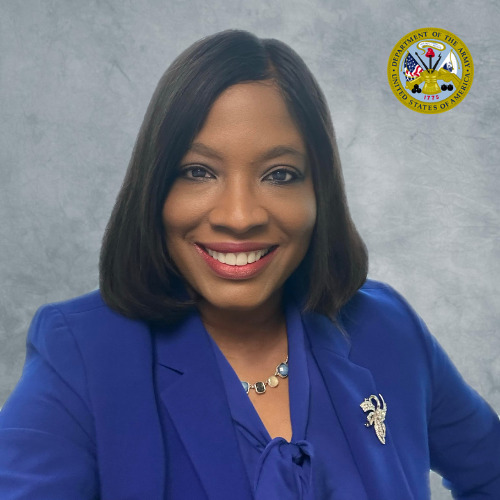
Dr. L. Imani Price, Ph.D.
Dr. L. Imani Price, Ph.D. is a licensed clinical psychologist, U.S. Army veteran, and Founder & CEO of Centers for Counseling and Wellness International. With extensive experience in military mental health, trauma recovery, and Cognitive Behavioral Therapy, she provides evidence-based mental health counseling through secure online therapy and telehealth services. Dr. Price is passionate about helping individuals, military families, and women build resilience, improve emotional wellness, and create lasting change through compassionate, whole-person care.