Overcoming Challenges by Building Emotional Resilience
Life doesn’t always give us time to prepare for change. A difficult diagnosis, relationship strain, career uncertainty, family responsibilities, deployment, relocation, grief, or an unexpected transition can disrupt even the strongest sense of stability.
Overcoming challenges doesn’t mean avoiding difficult emotions or remaining unaffected by stressful experiences. It means developing the ability to adapt, recover, and continue moving forward, even when circumstances are difficult.
That’s where emotional resilience comes in.
Resilience isn’t something you’re simply born with. It’s a collection of skills, habits, relationships, and perspectives that can develop throughout your life. By strengthening emotional awareness, practicing healthy coping strategies, and knowing when to seek support, you can become better equipped to navigate life’s difficult seasons without expecting yourself to handle everything alone.
What Does Emotional Resilience Really Mean?
Emotional resilience is the ability to adapt to stress, uncertainty, adversity, and change while maintaining or eventually regaining emotional well-being.
Being resilient doesn’t mean you never feel anxious, frustrated, sad, angry, or overwhelmed. In fact, resilience requires acknowledging those emotions rather than ignoring them.
A resilient person may still struggle during a difficult season. The difference is that they have tools and support systems that help them respond to the experience, adjust when necessary, and recover over time.
Resilience might look like:
Recognizing when you’re becoming overwhelmed
Allowing yourself to experience difficult emotions
Adjusting expectations during stressful periods
Asking for support when you need it
Finding healthy ways to cope
Learning from setbacks
Maintaining hope without ignoring reality
Taking meaningful action even when circumstances feel uncertain
For military members, resilience may be tested by deployments, frequent transitions, operational demands, or reintegration. For civilians, it may be challenged by work stress, caregiving, relationships, health concerns, or unexpected life changes.
The circumstances may differ, but the skills that support resilience can benefit anyone.
Overcoming Challenges Starts With Emotional Awareness
Before you can respond effectively to an emotion, you have to recognize what you’re experiencing.
Developing emotional awareness skills can help you identify emotions, understand what may be triggering them, and choose how you want to respond.
Instead of simply thinking, “I’m stressed,” you might begin asking:
What am I actually feeling?
What happened before I started feeling this way?
Where do I notice this emotion in my body?
What do I need right now?
Is my current response helping me?
Is there something within my control that I can change?
This process can create space between an emotional reaction and the action that follows it.
For example, recognizing that irritability is actually connected to exhaustion or anxiety can lead to a different response than assuming you’re simply angry.
Emotional awareness isn’t about analyzing every feeling. It’s about developing enough understanding to respond intentionally rather than automatically.
Healthy Coping Strategies for Difficult Seasons
Coping skills are the behaviors and strategies we use to manage stress and difficult emotions.
Some coping strategies provide immediate relief but create additional problems later. Avoiding responsibilities, withdrawing from relationships, excessive alcohol use, or constantly staying busy to avoid uncomfortable emotions may temporarily reduce distress without addressing what is underneath it.
Healthy coping strategies support both immediate regulation and long-term wellness.
These may include:
Taking a walk or engaging in physical activity
Practicing slow, intentional breathing
Journaling
Spending time outdoors
Maintaining a consistent sleep routine
Connecting with someone you trust
Setting boundaries
Breaking large problems into manageable steps
Taking intentional breaks from stressful situations
Engaging in meaningful hobbies or activities
Seeking professional support when needed
The most effective strategy depends on the person and situation.
The goal isn’t to eliminate every uncomfortable emotion. It’s to develop ways of moving through those emotions without becoming consumed by them.

How Mindset Supports Resilience
Mindset can influence how we interpret challenges and what we believe is possible after them.
This doesn’t mean forcing yourself to “think positively” when something genuinely difficult happens. Resilience isn’t built through denial or toxic positivity.
Instead, a resilient mindset recognizes both the difficulty of the present situation and the possibility of adapting to it.
Consider the difference between:
“I can’t handle this.”
and:
“This is difficult, and I can focus on the next step.”
The second perspective doesn’t minimize the problem. It simply shifts attention toward what can be done.
Helpful mindset practices can include:
Focusing on what is within your control
Recognizing previous challenges you’ve navigated
Viewing mistakes as opportunities to learn
Allowing plans to change when circumstances change
Setting realistic expectations
Practicing self-compassion
Identifying strengths you can draw upon
Over time, these shifts can strengthen confidence in your ability to navigate uncertainty.
Support Systems Make Resilience Stronger
Resilience is sometimes portrayed as the ability to handle hardship independently.
In reality, strong support systems are an important part of emotional wellness.
Trusted friends, family members, colleagues, community groups, spiritual communities, peer networks, and mental health professionals can all provide different forms of support.
Sometimes support means having someone listen. Other times, it means receiving practical help, gaining another perspective, or being reminded that you don’t have to solve everything at once.
For military-connected individuals, relationships may be disrupted by deployment, relocation, or transition out of service. Intentionally maintaining and rebuilding supportive connections can therefore be particularly important.
Seeking support isn’t the opposite of resilience. Knowing when and how to use available resources is part of resilience itself.
Daily Habits That Help Build Emotional Resilience
If you’re wondering how to build emotional resilience, start with the habits that shape everyday life.
Resilience is rarely built in a single breakthrough moment. More often, it develops through small actions repeated consistently.
Protect Your Sleep
Rest supports emotional regulation, concentration, decision-making, and the body’s ability to recover from stress.
Move Regularly
Physical activity can provide an outlet for stress while supporting mood, energy, and overall health.
Create Moments of Calm
Breathing exercises, meditation, mindfulness, prayer, time outdoors, or quiet reflection can give your nervous system opportunities to settle.
Maintain Meaningful Connections
Regular contact with supportive people can reduce isolation and provide perspective when overcoming challenges.
Practice Emotional Check-Ins
Take a few minutes to identify how you’re feeling and what may be influencing those emotions.
Set Realistic Boundaries
Protecting your time and energy can reduce unnecessary stress and help prevent emotional exhaustion.
Make Room for Enjoyment
Resilience isn’t only about coping with difficult experiences. Activities that create joy, connection, curiosity, or meaning are also important parts of emotional wellness.
You don’t have to change everything at once. One sustainable habit can become the foundation for another.
When Professional Counseling Services Can Help
Personal coping strategies are valuable, but there are times when additional support can help.
Professional counseling services can provide a structured environment for understanding emotional patterns, processing difficult experiences, and developing strategies tailored to your individual needs.
You might consider counseling when:
Stress is interfering with daily life
You feel overwhelmed more often than not
Anxiety or sadness isn’t improving
Relationships are becoming increasingly difficult
You’re struggling after a major transition
Past experiences continue to affect the present
Your usual coping strategies aren’t working
You want to better understand yourself and your emotional patterns
Therapy isn’t only a resource for crisis. It can also be a place for growth.
Some therapeutic approaches may specifically help individuals strengthen the connection between recognizing emotions and communicating them effectively. Emotional awareness and expression therapy, for example, focuses on identifying, experiencing, and expressing emotions connected to stress and other concerns.
The appropriate approach will depend on each person’s needs and goals.

Resilience Is Part of Whole-Person Wellness
Emotional resilience doesn’t exist separately from physical health, relationships, daily habits, or your environment.
Sleep affects mood. Chronic stress can affect the body. Relationships can either strengthen or strain emotional wellness. Trauma can influence how the nervous system responds to present-day situations.
This is why a whole-person perspective can be valuable when overcoming challenges.
A comprehensive wellness center or integrative mental health provider may consider how emotional, behavioral, relational, and lifestyle factors work together rather than focusing exclusively on one symptom.
This approach aligns with transformative wellness: moving beyond simply feeling better in the moment toward developing greater self-awareness, healthier patterns, stronger coping skills, and sustainable change.
ON THIS PAGE
RELATED BLOGS
- Overcoming Challenges by Building Emotional Resilience
 Learn how emotional burnout affects military mental health, recognize the stages of burnout, and know when it’s time to seek professional support.
- Therapy for Veterans: What to Look for in a Mental Health Provider
 Learn how emotional burnout affects military mental health, recognize the stages of burnout, and know when it’s time to seek professional support.
Share this Blog



Frequently Asked Questions
What does overcoming challenges have to do with emotional resilience?
Overcoming challenges involves adapting to difficult circumstances and finding ways to move forward. Emotional resilience provides skills and perspectives that can make that process more manageable, including emotional awareness, healthy coping, flexibility, and connection.
How can I build emotional resilience?
Start with manageable habits such as prioritizing sleep, maintaining supportive relationships, practicing emotional awareness, moving regularly, setting healthy boundaries, and developing effective coping strategies. Resilience develops gradually through practice and experience.
What are emotional awareness skills?
Emotional awareness skills help you recognize, name, and understand your emotions and their triggers. Greater awareness can make it easier to regulate emotions and choose thoughtful responses rather than reacting automatically.
Does being resilient mean handling problems on your own?
No. Healthy resilience includes knowing when to seek support. Friends, family, community, peers, and mental health professionals can all play an important role in navigating difficult experiences.
When can professional counseling services help with resilience?
Counseling may be helpful when stress is persistent, your usual coping strategies aren’t working, relationships or daily functioning are affected, or you want professional guidance as you work toward greater emotional wellness and personal growth.
Build Resilience for Whatever Comes Next
Life’s challenges can change you, but they don’t have to determine what comes next. Emotional resilience helps you meet difficult experiences with greater awareness, flexibility, support, and confidence in your ability to move forward.
At The Centers for Counseling and Wellness, Int’l, we view resilience as part of a broader journey toward transformative wellness. Our whole-person approach helps individuals understand emotional patterns, strengthen coping skills, navigate difficult transitions, and create healthier ways of responding to life’s challenges.

Whether you’re facing a difficult season now or simply want to feel better prepared for the future, professional support can be part of building lasting emotional wellness. Contact us to see how you can begin building emotional resilience.
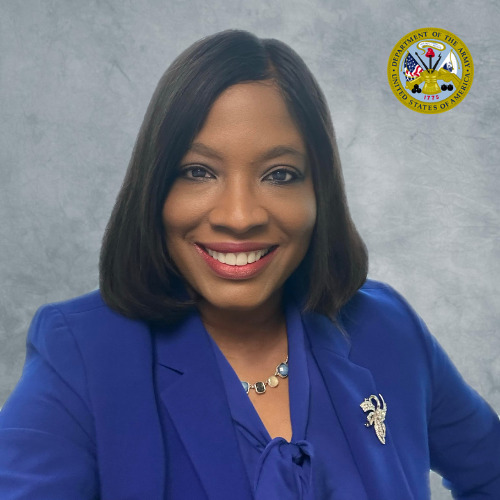
Dr. L. Imani Price, Ph.D.
Dr. L. Imani Price, Ph.D. is a licensed clinical psychologist, U.S. Army veteran, and Founder & CEO of Centers for Counseling and Wellness International. With extensive experience in military mental health, trauma recovery, and Cognitive Behavioral Therapy, she provides evidence-based mental health counseling through secure online therapy and telehealth services. Dr. Price is passionate about helping individuals, military families, and women build resilience, improve emotional wellness, and create lasting change through compassionate, whole-person care.